

Windows are one of those jobs homeowners tend to put off until there’s no choice left. A draughty frame or a cracked seal is annoying, but it rarely feels urgent enough to act on straight away. The trouble is, waiting too long usually costs more in heating bills than the job itself would have, and small problems have a habit of turning into bigger ones once damp or rot gets involved. This guide covers how to spot the signs early, whether you should hire window fitters or take it on yourself, and what to check before anyone starts work on your home.
Signs You Need New Windows
A few warning signs tend to show up before a window fully fails. Condensation building up between panes usually means the seal has gone, which affects insulation even if the glass still looks fine. Draughts around the frame, especially noticeable on a windy day, point to gaps that have widened over time as the frame has shifted or warped.
Difficulty opening or closing a window smoothly is another common sign, often caused by the frame swelling, warping, or the hinges wearing out. And if your energy bills have crept up without an obvious reason, ageing windows are worth ruling out before you look anywhere else. Noise from outside becoming more noticeable is another subtle clue, since worn seals let sound through just as easily as draughts.
None of these issues necessarily mean a full replacement is needed straight away, but they’re worth having checked by someone who knows what they’re looking at rather than waiting for the problem to get worse.
Window Fitters vs DIY Installation
Fitting a window yourself is possible, and plenty of confident DIYers have done it. But it’s a job with more room for costly mistakes than it might first appear. Getting the frame level, sealing it properly against moisture, and making sure it meets building regulations all take a level of precision that’s easy to underestimate.
Get it wrong and you’re looking at draughts, leaks, or a frame that needs redoing within a couple of years anyway, which usually costs more than hiring window fitters would have in the first place. There’s also a compliance angle worth taking seriously. Replacement windows in the UK need to meet building regulations, and a fitter registered with a recognised competent person scheme can self-certify the work, which saves you dealing with local authority building control separately and avoids complications if you sell the property later on.
For a single small window in an outbuilding or shed, DIY might be a reasonable shout if you’re confident with tools and have done similar work before. For anything affecting your main living space, hiring a professional tends to be the safer bet, particularly given how much a botched seal can end up costing in the long run. Have a look through The Trade Core’s services if you’re weighing this up alongside other jobs on your renovation list.
What to Ask a Window Fitter Before Hiring
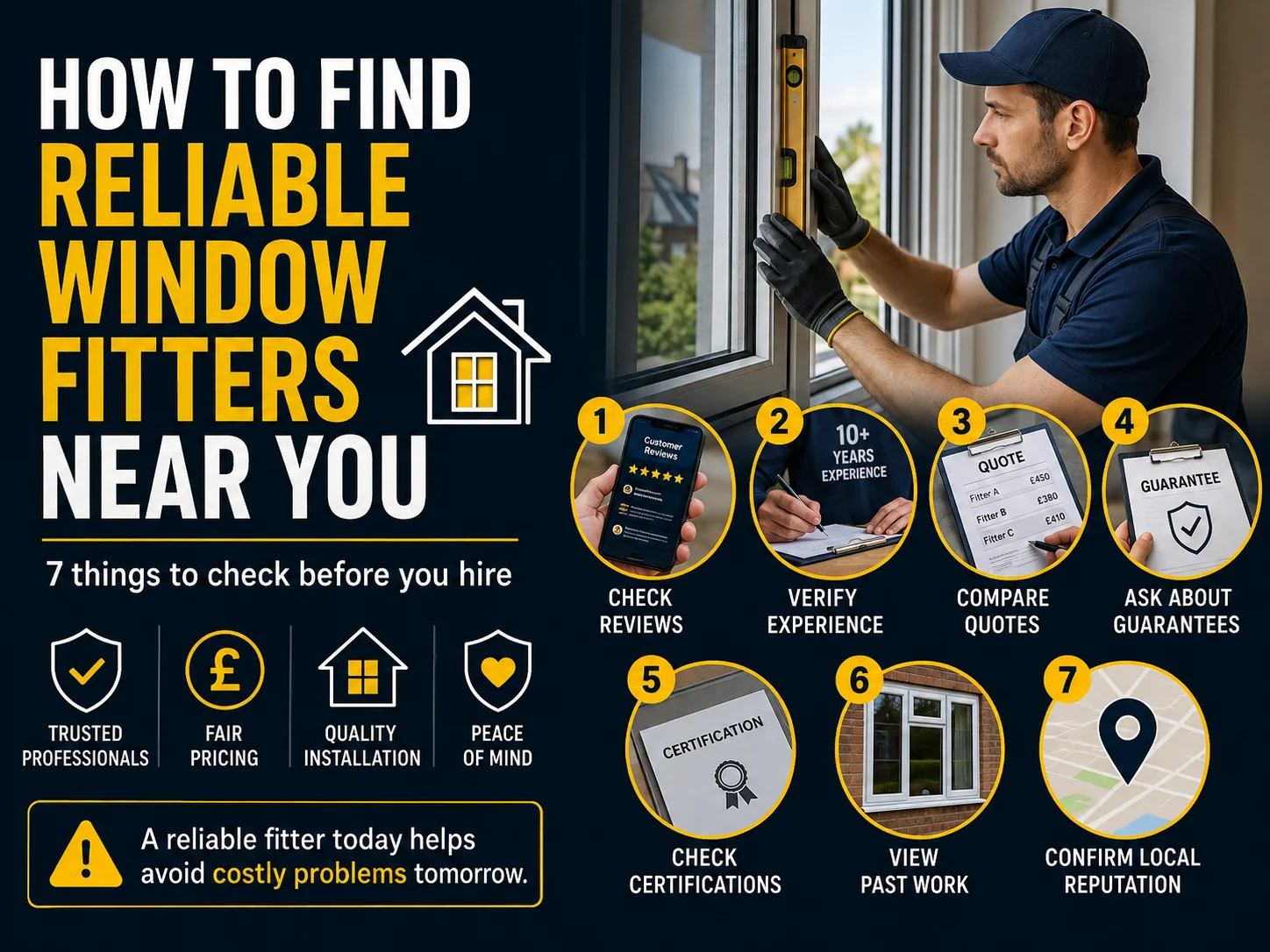
A short conversation before you commit can save a lot of hassle later, and most reliable fitters won’t mind being asked any of the following. Worth asking:
- Are you registered with a recognised competent person scheme, and can I see proof?
- How long have you been fitting windows, and do you have references I can check?
- What’s included in the quote? Materials, labour, disposal of old frames, and VAT should all be itemised.
- What guarantee do you offer, and how long does it last?
- What’s your estimated timeline, and what happens if it overruns?
- Will you handle building regulations paperwork, or is that on me?
A fitter who answers these clearly and without hesitation is generally a good sign. Vague answers or reluctance to put things in writing is worth treating as a warning.
For more background on vetting candidates before you commit, our earlier piece on finding a good local window fitter covers some useful ground alongside this guide, particularly around checking qualifications and reading reviews properly.
How to Find a Reliable Window Fitter
Once you know what to ask, the next step is narrowing down who to ask it to. Personal recommendations from friends or neighbours who’ve had windows fitted recently tend to be the most reliable starting point, since you’re getting an honest account rather than a polished sales pitch.
Beyond that, checking reviews properly matters more than just glancing at a star rating. Look for comments mentioning tidiness, communication, and whether the fitter turned up when they said they would. A search for window fitters near me will turn up plenty of options, but narrowing that list down to people who are actually vetted saves a lot of back and forth. The Trade Core connects homeowners with checked window fitters in their area, which cuts out a fair bit of the guesswork involved in searching independently.
Best Time of Year to Replace Windows
Timing affects both price and how smoothly the job goes. Spring and autumn tend to be the busiest periods for window installers near me searches, since the weather’s mild enough for work to proceed without major delays but not so hot that sealants and adhesives cure unevenly.
Winter can actually be a good time to book, since demand tends to drop and fitters often have more availability, sometimes with better pricing as a result. The main downside is that a longer job means your home is exposed to the cold for a bit longer while windows are out, so it’s worth checking how the fitter plans to manage that during colder months. Summer works too, though it’s usually the most in-demand season, so booking ahead matters more if you want a specific date.
There’s no universally perfect month for a window replacement near me search to land on. It comes down to balancing your own schedule against how much flexibility you have on timing, and how urgently the current windows actually need replacing.
Comparing Window Installation Services
Not all window installation services cover the same ground. Some fitters specialise in specific window types, like sash windows or bi-fold doors, while others handle general replacements across most styles. If your project is unusual in any way, checking that a fitter has relevant experience matters more than picking whoever’s cheapest, since specialist jobs often need techniques a general fitter simply hasn’t practised as often.
Getting a few written quotes before deciding is worth the extra day or two it takes. Compare not just the total price but what’s actually included, since a cheaper quote that excludes disposal or leaves VAT off the table isn’t necessarily the better deal once everything’s added up. Ask each fitter to break the quote down the same way so you’re comparing like for like rather than guessing where the difference lies.
When you’re ready to move forward, you can hire a tradesperson through The Trade Core and get quotes from vetted professionals in your area rather than starting from scratch with a search engine.
Conclusion
Replacing windows isn’t a job to rush into, but it doesn’t need to be complicated either. Spot the early signs, decide honestly whether DIY is realistic for your situation, and ask the right questions before anyone starts work. Do that, and hiring window fitters becomes a far more straightforward process than it might feel at the outset, even if it’s your first time going through it.
Take your time comparing quotes, check credentials properly, and choose someone who communicates clearly from the first conversation rather than someone who’s just quick to say yes. Visit The Trade Core to browse other trades if your renovation plans go beyond windows.