

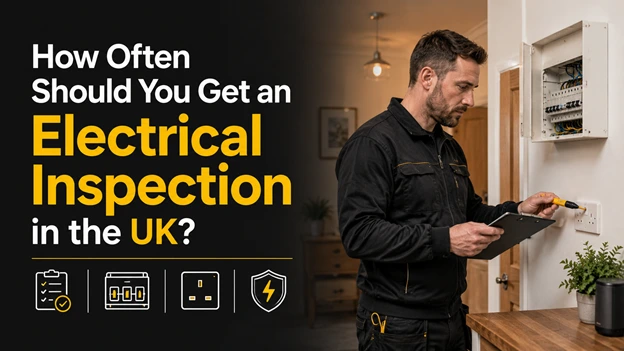
Your home’s electrical system works quietly behind the scenes every day, powering everything from lighting and kitchen appliances to heating systems and home offices. Because it’s hidden behind walls and ceilings, it’s easy to forget that electrical wiring also ages over time.
Many homeowners only think about their electrics when something goes wrong, such as flickering lights, tripping circuits, or faulty sockets. Unfortunately, waiting until problems appear can put your property and your family’s safety at risk.
A regular electrical inspection UK helps identify worn wiring, overloaded circuits, faulty connections, and other hidden issues before they develop into serious electrical hazards.
Organisations such as Electrical Safety First recommend periodic inspections because all electrical installations naturally deteriorate with age and use.
For owner-occupied homes, inspections are generally recommended every 10 years, while rented properties should be inspected at least every 5 years.
What Is an Electrical Inspection?
An electrical inspection is a thorough assessment of your property’s fixed electrical installation. It’s designed to check whether your wiring, sockets, switches, fuse board, earthing, and other electrical components remain safe for continued use.
The inspection is usually recorded in an Electrical Installation Condition Report (EICR), sometimes described as the electrical equivalent of an MOT for your home. During the inspection, a qualified electrician carries out both visual checks and electrical testing to identify defects, deterioration, or parts of the installation that no longer meet current safety standards.
A professional home electrical inspection may include checking:
- Consumer unit (fuse board)
- Wiring condition
- Earthing and bonding
- Socket outlets and switches
- Lighting circuits
- Residual Current Devices (RCDs)
- Signs of overheating or damaged components
At the end of the inspection, you’ll receive an EICR explaining whether the installation is satisfactory or whether remedial work is recommended or required.
Why Are Electrical Inspections Important?
Electrical faults aren’t always visible. Damaged wiring, loose connections, or overloaded circuits can remain hidden for years before causing noticeable problems.
Regular inspections help:
- Improve electrical safety in homes
- Reduce the risk of electrical fires
- Detect ageing or damaged wiring
- Identify overloaded circuits
- Confirm that safety devices are working correctly
- Highlight improvements that could bring older installations closer to current standards
Finding these issues early often means smaller, more affordable repairs instead of dealing with emergency electrical failures later.
How Often Should You Get an Electrical Inspection UK?
The answer depends on the type of property and how it’s used.
For most owner-occupied homes in the UK, Electrical Safety First recommends having the electrical installation inspected and tested every 10 years.
For privately rented homes, landlords are legally required in many parts of the UK to ensure the electrical installation is inspected and tested at least every 5 years by a qualified person, with an EICR provided to tenants as required by the regulations.
Even if your property isn’t due for its routine inspection, you shouldn’t wait if warning signs appear.
7 Signs You Shouldn’t Delay an Electrical Inspection
Sometimes your home tells you that something isn’t right.
Arrange a domestic electrical inspection if you notice any of the following.
1. Circuit Breakers Keep Tripping
Occasional trips can happen, but frequent tripping often indicates overloaded circuits, faulty appliances, or problems within your electrical installation.
Repeated trips should always be investigated rather than simply resetting the breaker every time.
2. Flickering or Dimming Lights
Lights that flicker regularly, especially when appliances are switched on, could indicate:
- Loose wiring
- Circuit overload
- Poor electrical connections
- An ageing consumer unit
If the problem affects multiple rooms, it’s worth arranging an inspection before the issue worsens.
3. Burning Smells or Scorch Marks
A burning smell coming from sockets, switches, or your consumer unit should never be ignored.
Likewise, discoloured socket outlets or scorch marks may indicate overheating, damaged wiring, or loose electrical connections.
If you notice these warning signs, stop using the affected circuit and contact an electrician immediately.
As we explain in our guide on 7 Signs You Need an Emergency Electrician in UK, burning smells, sparks, or sudden power failures often require urgent professional attention rather than waiting for a routine inspection.
4. Your Home Is More Than 25 Years Old
Older homes aren’t automatically unsafe, but many still contain outdated wiring, older consumer units, or electrical installations that were designed for much lower power demands.
If your property hasn’t had an electrical inspection UK in many years, arranging an EICR is a sensible way to understand its current condition.
If the inspection identifies ageing wiring or outdated electrical systems, our guide on Top 10 Signs for House Rewiring in UK explains when a full rewire may become necessary.
5. Your Sockets or Switches Feel Warm
Electrical sockets and switches should never become unusually hot during normal use.
If you notice warmth, buzzing sounds, or small sparks when plugging in appliances, these could indicate:
- Loose wiring
- Faulty connections
- Overloaded circuits
- Damaged electrical components
Ignoring these warning signs increases the risk of electrical fires and equipment damage. Stop using the affected socket and arrange an inspection by a qualified electrician as soon as possible.
6. You’re Buying or Selling a Property
Moving into a new home is one of the best times to arrange a home electrical inspection.
Although an inspection isn’t always legally required for owner-occupied property sales, it gives buyers confidence that the electrical installation is safe and highlights any issues before contracts are completed.
Similarly, if you’re selling your home, having an up-to-date Electrical Installation Condition Report (EICR) can provide reassurance to prospective buyers and help avoid unexpected delays during the transaction.
7. You’ve Recently Renovated or Added New Electrical Installations
Home improvements often place additional demand on your electrical system.
If you’ve recently:
- Added a home office
- Installed an EV charger
- Converted a loft
- Built an extension
- Renovated your kitchen
- Added new high-powered appliances
it’s worth arranging an electrical inspection UK to ensure your existing installation can safely support the additional electrical load.
What Happens During an EICR?
Many homeowners avoid arranging an inspection because they don’t know what to expect.
A qualified electrician will usually:
- Carry out a visual inspection of the installation.
- Test wiring, sockets, switches, and lighting circuits.
- Check earthing and bonding arrangements.
- Inspect the consumer unit (fuse board).
- Test the operation of Residual Current Devices (RCDs).
- Identify any damaged, overloaded, or outdated components.
Once the inspection is complete, you’ll receive an Electrical Installation Condition Report (EICR) outlining the condition of your installation and recommending any necessary remedial work.
The report may classify issues based on their level of urgency, helping you understand which repairs require immediate attention and which improvements can be planned for the future.
How Much Does an Electrical Inspection Cost?
The cost of an electrical inspection UK varies depending on factors such as:
- Property size
- Number of circuits
- Age of the installation
- Location within the UK
- Complexity of testing
While the inspection represents an upfront cost, it can help identify hidden electrical issues before they develop into expensive repairs or safety hazards.
If you’re budgeting for electrical work, it’s also worth reading our guide on Electrician Cost Per Hour to understand the typical labour charges homeowners can expect when hiring a qualified electrician.
When Should You Call a Qualified Electrician?
Routine inspections are an important part of home maintenance, but some situations require immediate professional attention.
Contact a qualified electrician if you notice:
- Burning smells from sockets or switches
- Frequent circuit breaker trips
- Flickering lights throughout your property
- Buzzing sounds from electrical fittings
- Warm or discoloured sockets
- Electric shocks when touching switches or appliances
- Outdated wiring in an older property
- Any visible damage to your electrical installation
Choosing the right professional is just as important as arranging the inspection itself. If you’re looking for guidance, our article on Certified Electrician Near Croydon explains the qualities to look for when hiring a qualified electrician.
Find Trusted Electricians with The Trade Core
Your home’s electrical system shouldn’t be left to chance. Whether you’re arranging a routine electrical inspection UK, purchasing a new property, or investigating potential electrical faults, acting early helps protect your home and everyone living in it.
At The Trade Core, we make it easy to connect with trusted local electricians for inspections, repairs, rewiring, consumer unit upgrades, and emergency electrical services.
Looking for a qualified electrician?
Browse trusted Electrician Services through The Trade Core and find experienced professionals who can carry out a thorough electrical inspection and recommend the right solution for your home.
Book Your Local Electrician Now
Frequently Asked Questions
How often should homeowners get an electrical inspection in the UK?
For most owner-occupied homes, Electrical Safety First recommends an inspection and test every 10 years or when you move into a new property. Privately rented homes generally require an inspection at least every 5 years. (Electrical Safety First)
What is an EICR?
An Electrical Installation Condition Report (EICR) is a detailed assessment of your property’s fixed electrical installation. It identifies defects, deterioration, and safety concerns, while confirming whether the installation is satisfactory for continued use.
How long does an electrical inspection take?
The duration depends on the size of the property and the number of electrical circuits. Smaller homes may take a few hours, while larger properties can take longer to complete.
Can I stay in my home during an electrical inspection?
Yes. In most cases, you can remain at home while the inspection is carried out, although the electrician may need to temporarily isolate the electricity while testing certain circuits.
Is an electrical inspection worth the cost?
Yes. A professional inspection can identify hidden electrical faults before they become serious safety risks, helping you avoid more expensive repairs and giving you peace of mind about the condition of your home’s electrical system.
Who should carry out an electrical inspection?
An electrical inspection UK should always be performed by a qualified and competent electrician with experience in inspection and testing. Choosing a reputable professional helps ensure your inspection is carried out safely and in line with current UK standards.