

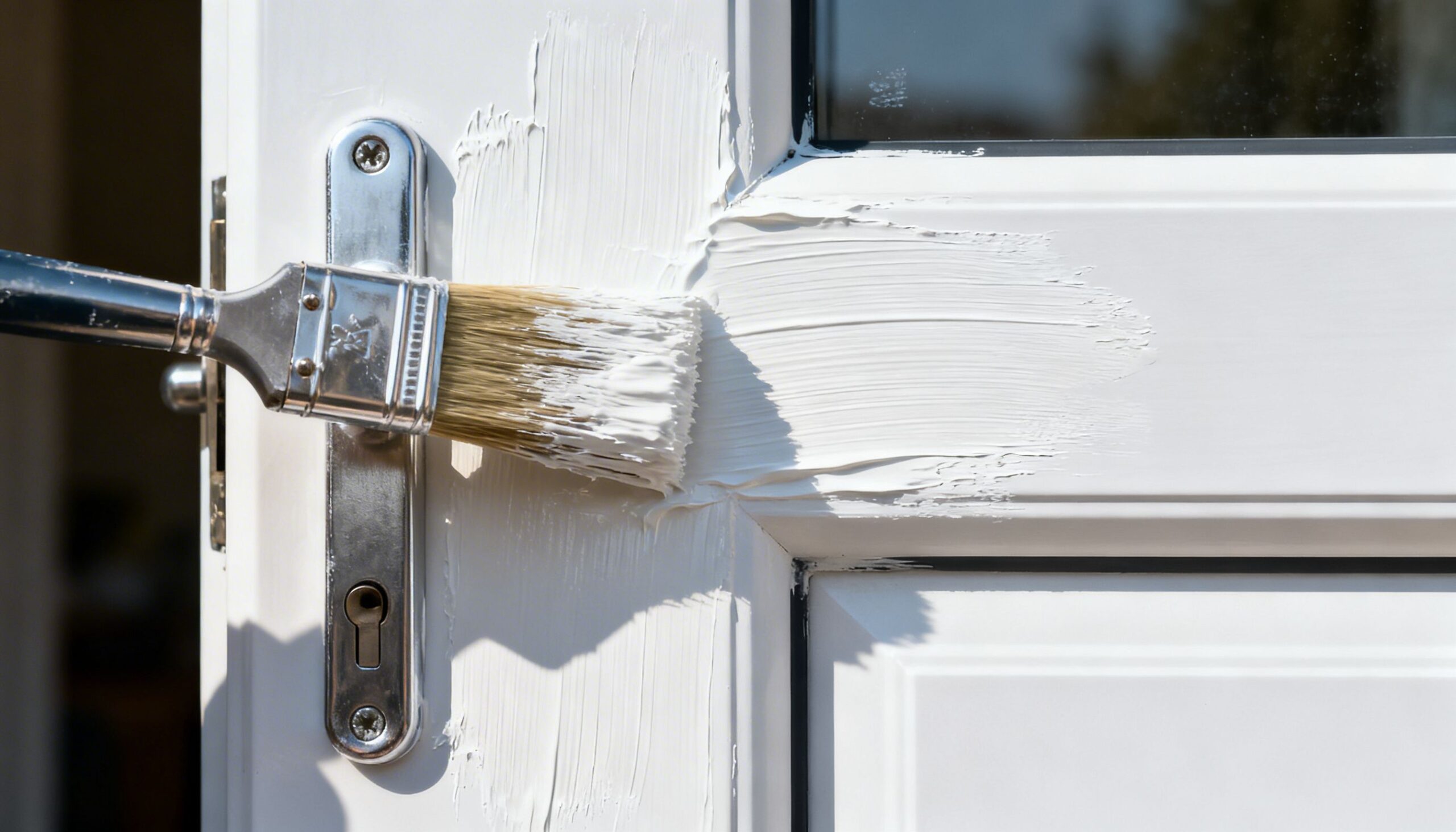
uPVC doors are becoming very common in UK homes for their durability, affordability, and ease of maintenance. They typically last 5–10 years, but with time, they become discoloured. The original paint starts to peel or fade, or it does not stick at all. To fix these common issues, you’ll need paint. And not all paints work on uPVC doors due to their smooth, non-porous surface.
Choosing the right paint for uPVC doors is important. And doing it right with the help of a reliable painter and decorator can give your home a completely new look. In this detailed guide, we’ll go over which paint for UPVC doors is best, how to find the right one, and how to make sure the results last.
Can I Paint a uPVC Door?
Many homeowners have this question in mind: Can you paint UPVC doors? The short answer is yes, you can. Homeowners can easily update the colour of their doors and cover discolouration due to exposure to the sun and rain. A fresh, new coat of paint can give your uPVC door a new life. A coat of paint for uPVC doors offers an affordable refresh for your home. It helps to repair any damage or completely change the colour.
Home interior painting trends are constantly changing. If you’re planning a home renovation any time soon, see modern interior painting trends for UK homes 2026.
Why Choosing the Right Paint for uPVC Doors Matters
Many homes in the UK use uPVC for their doors and windows. It has a smooth, non-porous surface and is a flexible type of plastic, so standard household paints won’t adhere to it. They’ll start to peel, flake, or crack. Using the right uPVC door paint ensures the paint lasts against the weather and other factors.
Prevents Peeling and Flaking: uPVC is non-porous, so paint doesn’t absorb. There are special paints for uPVC that adhere well to the surface. Regular paint will quickly peel off, especially with temperature changes.
Handles Thermal Expansion: uPVC expands and contracts with temperature changes. Paint for uPVC doors is designed to be flexible for plastics to prevent the paint from cracking or tearing.
Weather and UV Protection: uPVC exterior paint protects doors against moisture and UV rays, preventing issues like peeling, discolouration, and fading.
Gives a Professional Finish: Professional application of paint to uPVC doors and windows enhances the visual appeal of your home. A skilled painter uses a spray or a high-quality brush to prevent brush marks, drips, and uneven surfaces.
Maximises Longevity: A well-done uPVC coating can last up to 5 to 10 years. And if it’s really maintained well, the longevity can exceed 15 years. Using the right paint on uPVC doors can keep them from needing repairs and replacements too often.
Types of Paint Suitable for uPVC Doors
The following are types of paint for uPVC doors that homeowners in the UK can find suitable:
uPVC-Specific Paint (Specialist Paints)
These paints are designed specifically for plastic surfaces. They are usually self-priming, quick-drying, and come in various finishes. Also, they last for up to 10–15 years. uPVC-specific paints are long-lasting and weather-resistant.
Water-Based Acrylic Paint
Water-based acrylic paints for uPVC doors are ideal. Their finish is breathable and flexible with temperature changes. Once you paint the surface, it dries up quickly. For the best application, thorough cleaning and light sanding are required. Another benefit is that it’s easy to apply.
Oil-Based Paint
Another option for painting uPVC doors is oil-based paint. It gives doors and windows durability and a smoother finish that lasts up to 15 years. The only downsides are that it requires a longer drying time and can yellow over time.
Spray Paint for uPVC Doors
Spray paint gives your doors a factory-like finish. The paint is designed for a fast-drying finish on doors. Spray paint for uPVC doors gives them an even coating with no brush marks. It’s an ideal choice if you’re looking for professional uPVC door painting.
Which Paint Is Best for uPVC Doors?
The best paint for uPVC doors is a specialist uPVC paint of high quality or an exterior acrylic paint designed for plastic surfaces. These paints have high adhesion and flexibility. They are UV-resistant and flexible with temperature changes. But if they’re not self-priming, pair them with a primer.
What Should You Look for in Paint for uPVC Doors?
- See adhesion levels
- Check if it’s weather-resistant
- Flexibility with contraction and expansion of plastic
- Fade resistance
- Gives doors and windows a smooth finish
- It is compatible with the primer
Tools and Materials You’ll Need
Here’s a list of the tools and materials needed to paint uPVC doors.
Materials
- Specialised uPVC paint
- uPVC primer to ensure the paint sticks
- Cleaner or degreaser to remove grime and oil
- Sanding Block or fine-grit sandpaper to lightly scour the surface
- Masking tape to protect glass, seals, and handles
- Dust sheets to protect the flooring
- Tack Cloth to remove dust residues after sanding
Tools
- Paintbrush
- Small foam roller
- Paint tray or scuttle
- Sponge and buckets
- Screwdriver
- Protective gear
How to Paint a uPVC Door
Most homeowners don’t know how to paint a uPVC door. It’s easy to do. Here’s a step-by-step guide to help you do it:
- Clean the surface by removing dirt, grease, and any residue. This ensures the paint applies properly.
- Sanding is not a necessary step in the process, but it helps the paint stick better.
- Applying the primer is essential for most paints, while some uPVC paints are self-priming. It creates a bonding layer.
- Apply the paint in thin, even coats. Do not overload your brush or roller with paint; it’ll cause chaos.
- Allow it to dry according to the manufacturer’s instructions. Apply a second coat if it’s needed.
Common Mistakes in Painting uPVC Doors
- Most people skin the primer.
- Using interior paint instead of exterior.
- Painting in extreme weather.
- Applying thick coats of paint.
- The surface is not cleaned properly.
How Much Does it Cost to Paint uPVC Doors in the UK
The average cost to paint uPVC doors in the UK is between £200 and £250.
Here’s a quick overview of costs for different doors:
- Painting a single standard door and frame costs between £150 and £250.
- A door with complex glass panels costs around £200–£300, or even more.
- To paint a garage door in the UK, it costs between £200 and £450.
- Additionally, there is a fee to hire a tradesperson.
Maintenance Tips for Painted uPVC Doors
- Use mild soap and water to clean every 3–4 months.
- Don’t use bleach or harsh cleaners. They can strip the paint and cause discolouration.
- Clean grooves, corners, and seals with a soft brush or an old toothbrush.
- Wipe down with a glass cleaner.
- In order to preserve the finish, use car wax or a special uPVC polish on the surface.
- Do not cut the uPVC frames with sharp objects, such as knives, metal scrapers, or abrasive tools.
- Touch up with paint to make a fast job of small scratches or peeling paint.
- Oil the moving parts of the door after every six or twelve months.
- Consistently inspect the rubber seals for any cracks and gaps.
- Avoid heavy sanding when you’re repainting a door. It can weaken the door’s uPVC structure.
- For coastal homes, you need to clean the doors frequently to get rid of the salt deposits.
- Dark-coloured painted doors tend to expand when exposed to heat. Shade adjustment should be done in order to prevent heat damage and paint failures.
- Boiling water to remove ice blocks in the winter can be replaced with a specialised de-icer.
Conclusion
Choosing the right paint for uPVC doors makes all the difference. For a long-lasting, durable finish with a little professional help from a tradesperson hired through The Trade Core. Painting your doors is an important home renovation project. Ensure that you do it with some good assistance, the right materials, and, above all, the right uPVC paint.
Learn the disadvantages of uPVC windows and see why you need a local window fitter in the UK for proper window installation.